Fresh look for PARC: renovated locker rooms open
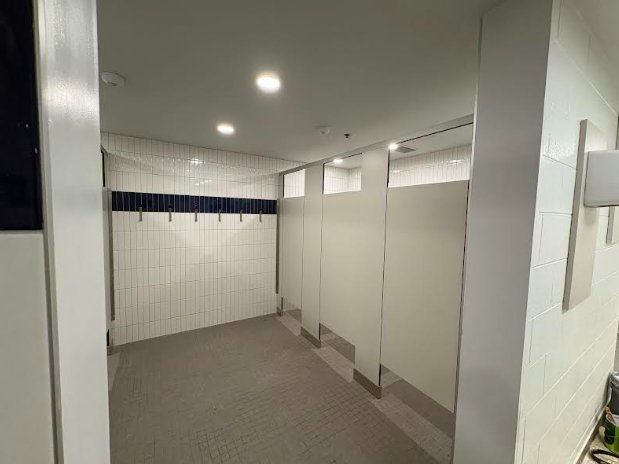
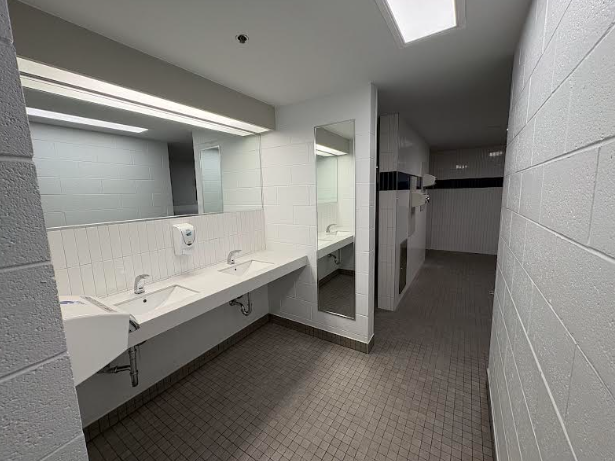
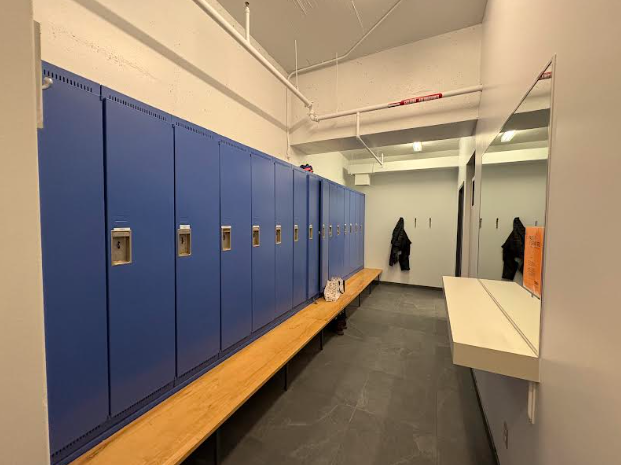
After more than three decades of daily use, the PARC locker rooms and bathrooms have undergone a complete transformation, unveiling bright, modern facilities that reflect Dawson’s values of well-being, accessibility, and community.
“The primary goals were to renew the PARC facilities that were over 30 years old, improve functionality, and provide a more modern and pleasant environment for users,” said Elias Azar, Facilities Management project lead. “These goals are reflected in a redesigned layout, updated fixtures, improved lighting, and a cleaner, more contemporary aesthetic that better supports daily use.”
Designed for comfort and function
The new spaces were built with the everyday experience of students, staff, and community members in mind. “The renovated spaces offer a more comfortable, efficient, and user-friendly experience,” said Elias. “Improved lighting, increased privacy, and updated finishes make the facilities easier to use, cleaner in appearance, and more welcoming for all users and guests on a daily basis.”
Among the design choices Elias is most proud of are the improved layout and the selection of durable yet appealing materials. “Optimizing the layout for better functionality, selecting durable yet visually appealing materials, and improving lighting and finishes create a brighter, more inviting space while remaining practical for heavy use,” he said.
Accessibility was a central consideration throughout the project. “Accessibility was enhanced through barrier-free design and compliant fixtures up to the norms,” Elias explained. “The refreshed aesthetic and improved functionality contribute to a welcoming and inclusive campus environment aligned with Dawson’s values.”
Built to Last
To ensure long-term durability, the renovation team prioritized high-quality materials and energy-efficient systems. “The project prioritized commercial-grade materials, durable finishes, and robust fixtures designed for high-traffic environments,” said Elias. “The renovations include water-efficient plumbing fixtures and energy-efficient lighting, contributing to reduced resource consumption and improved operational efficiency.”
Feedback from staff and users also played a key role. Feedback from staff and users informed decisions related to layout efficiency, durability, ease of maintenance, and accessibility,” Elias said. “This input can be seen in the practical design solutions and improved usability of the renovated spaces.”