Peace Studies Certificate inspires Dawson students to build a better world
“I want to be part of this!” That’s what Peace Studies Certificate Coordinator Ivan Freud thought when he saw images of retired Director General Richard Filion greeting students on the first day they returned to campus after the terrible events of Sept. 13, 2006.
Twenty years after the Dawson tragedy, the Peace Studies Certificate continues to help students explore peace building, social justice and nonviolence while fostering a community committed to positive change.
Dawson could have responded differently, with the installation of metal detectors and a heightened atmosphere of fear and apprehension, Ivan said. In September 2006, he was completing his master’s degree in religious studies at Concordia University and was impressed by the decisions made by the College and by Richard, who “had skin in the game.”
Ivan, who joined the college as a teacher in 2008, recounted the story of the many flowers people brought to Dawson as gestures of solidarity and love during the days the College was closed following the shooting that resulted in the death of student Anastasia De Sousa, the wounding of 19 others and the traumatizing of the Dawson community.
“The College didn’t want to throw the flowers away, they were all donated with heart,” he said. “They came up with an idea to use them as compost for the Peace Garden, born out of people’s love and a desire to make things better.”
A number of teachers at the College were already teaching courses that explored themes of peace, war and nonviolence. Humanities faculty member Patricia Romano remembers her discussions with Social Service teacher Mary Hlywa exploring the implications of the event for educators. They were part of the community that founded the Peace Studies Certificate and together were the co-leads for Dawson’s international conference, Youth and Violence: The Role of Education, that was held in October 2011, along with other events marking five years since the Dawson tragedy.
“There was a general feeling that we do not want to be remembered for that, we want to be remembered for what happened afterwards,” she said.
The decision to make peace a central value says something about the institution, she said, crediting Richard with giving space for peace and other initiatives to develop.
The Peace Studies Certificate, which was launched in the Fall 2014 semester, was developed with pedagogical support from the Office of Academic Development, particularly Julie Mooney and later Diana Rice, who served in various terms as the pedagogical counsellor for the Peace Centre and Peace Studies Certificate.
The Peace Studies Certificate is an academic enrichment program that allows Dawson students from any program to explore issues related to peace and conflict, human rights, social justice, diversity and inclusion, environmental sustainability, global citizenship and non-violent conflict resolution through a range of interdisciplinary courses and learning opportunities.
To be eligible to receive the certificate, a student must complete three Peace Studies courses, participate in three activities and attend three meetings. Students gain a better understanding of the causes of conflict and violence, develop skills in dialogue, mediation and critical thinking, examine social and global issues from multiple perspectives, build leadership and citizenship skills, and demonstrate a commitment to peace and social responsibility on their academic record.
The community element of the certificate experience is very important, Ivan said.
“I am a firm believer in human contact,” he said. “My intuition is that we are becoming more binary. Albert Maysles said: ‘Tyranny is the deliberate removal of nuance.’”
More than 50 teachers from various disciplines have courses listed under the certificate. “We are professors of peace, we profess peace,” Ivan said. “Dawson suffered this incredible tragedy, which motivated this peace movement to be more caring, loving, considerate and compassionate.”
There are many approaches to these topics. Ivan and Pat outlined two main categories: peace as personal well-being and the practice of sowing peace through one’s words and interactions with others, and peace as creative resistance and social change. Another important theme is Peace with Nature as evidenced by Sustainable Dawson, which has also contributed much to Dawson’s peace initiative, through the work of Chris Adam and Jennifer de Vera.
“Each person can contribute to the peaceful world they want,” As Ghandi challenged each of us to “be the change you wish to see in the world.”
Peace is also a personal commitment. In addition to teaching at Dawson, Ivan is a yoga and meditation instructor. He tells his students: “be agents of change, but do so wisely.”
Pat worked to incorporate action, agency and community into the certificate. She recalled that students would come into her class “feeling disempowered, more jaded.” She wanted to work with them to “explore the idea of nonviolence and to help them regain their agency.”
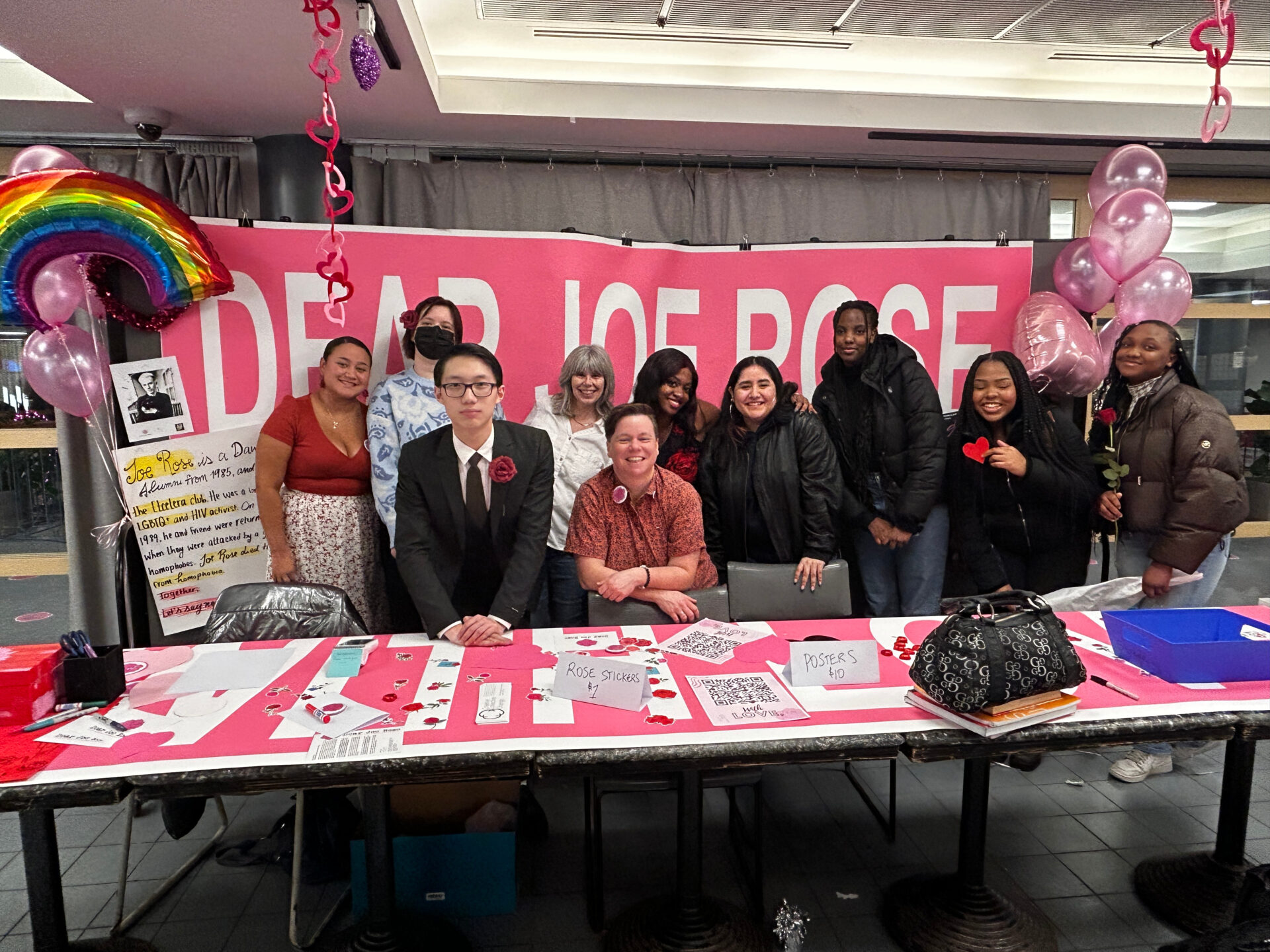
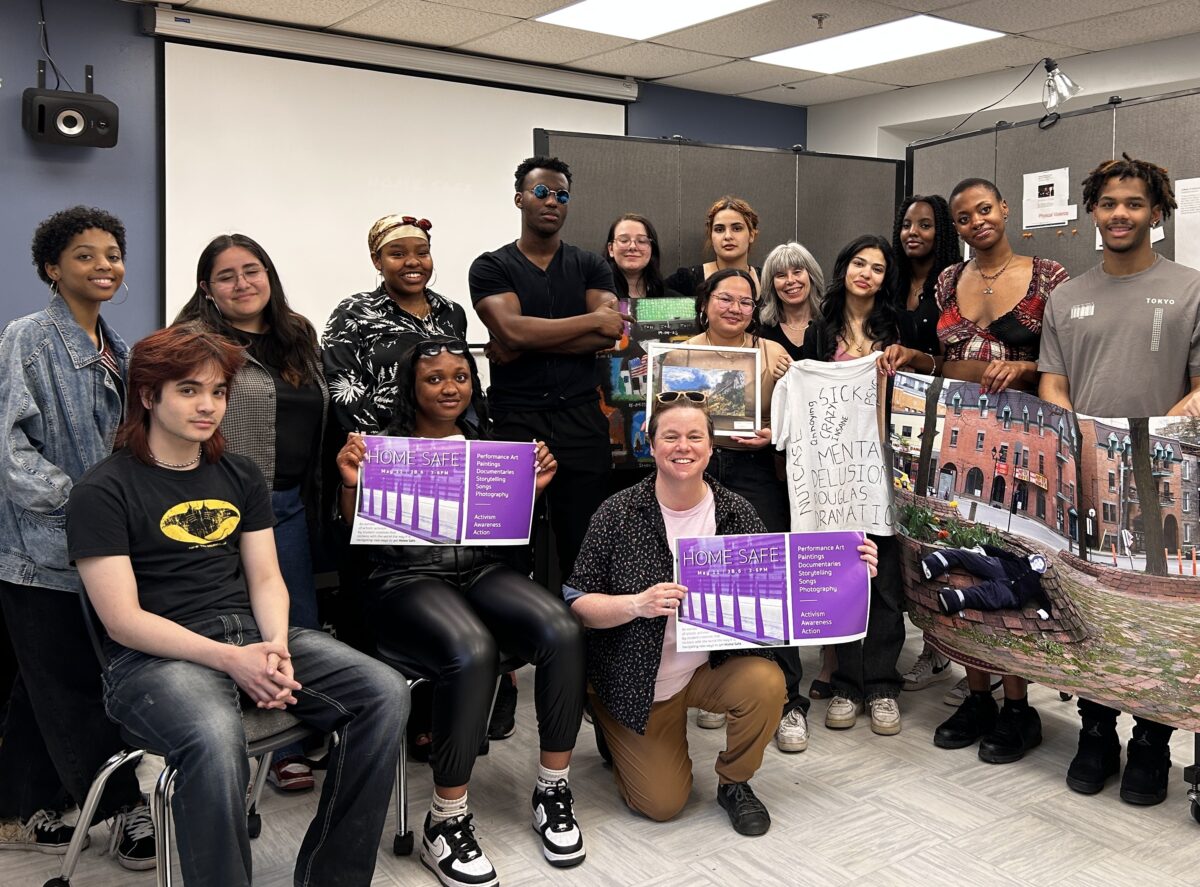
A highlight for Pat has been co-teaching Creative Resistance and Social Change with Kim Simard, a faculty member in Cinema | Communications. The Creative Collective for Change (CC4C) emerged from that experience.
“There is a normalization of violence and militarization and a negative view of human nature. We are seeking to remind people of our capacity to reconstruct broken relationships and work together to bring change,” said Pat.
Pat’s wish for students in Peace Studies is that they come away with critical hope, which she defines as “a realistic view of the world and hope that it can be better.”
She encourages her students to resist cynicism and disempowerment without being naïve. Sept. 13, 2006 changed the way Pat taught, as it did for many Dawson faculty members. At the end of a course, she wants to leave students with inspiration and stories of goodness that help repair and heal.
Pat believes nonviolence, when done well, is incredibly effective.
“We resist. The human spirit is still alive.”
Twenty years after the Dawson tragedy, students continue to carry that message forward. At the Sept. 11, 2026 20-year commemoration event, students in Susan Finch’s psychology course, Leisure Behaviour, which is listed under the Peace Studies Certificate, scattered seeds in Anastasia’s Garden in the Peace Garden, symbolizing peace-building, renewal and hope for the future.
Some further reading/viewing to inspire all the peace builders in the Dawson community and beyond:
- Ivan Freud recommends watching previous Peace 365 panels, available here, and reading Les Tisserands by Abdennour Bidar, who spoke at Dawson in 2016 as part of Peace Week and the 10-year commemoration of the Dawson tragedy.
- Pat Romano recommends the film Fambul Tok, which is often screened for Peace Studies students: https://www.makingpeacevisible.org/fambul-tokThe educational version, “Fambul Tok: Forgiving Savage” is perfect for the classroom and available on Vimeo (https://vimeo.com/42419399).